

Young people who stay with Jesus after high school tend to have one thing in common: a parent, grandparent or guardian at home they can talk with about faith and life. Research from LCMS Youth Ministry and others keeps pointing back to the home. It does not take having all the answers. It takes listening, praying together and keeping the conversation going.
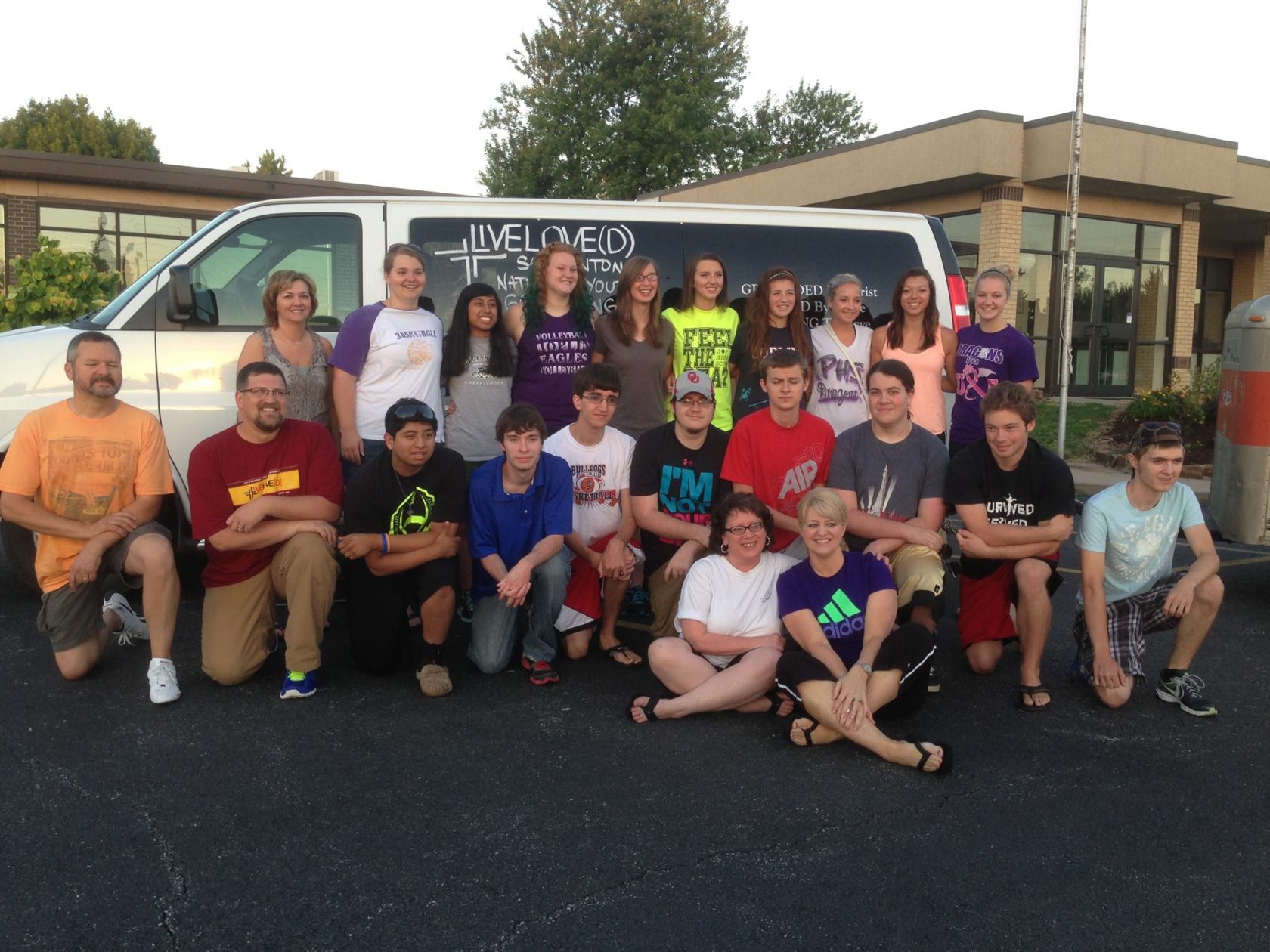
Every Wednesday night during the school year, more than 30 students in grades 5 through 12 come to the Youth Center at Immanuel Lutheran Church. They come from nine different schools, Martin Luther School among them, and many bring friends. There is supper, a game in the gym and plenty of noise. The fun matters because it helps students feel at home here, but it is only part of the plan. Behind every Wednesday is a careful plan our church and school share for helping young people know Jesus and stay close to Him as they grow up. This page explains that plan for parents, for neighbors who are curious about us, and for other congregations who want to see how it works.
- 30+students on a Wednesday night
- 9different schools represented
- 5–12grades, middle and high school
- 5caring adults we hope every student knows
The Plan Behind Wednesday Night
Our church body, The Lutheran Church—Missouri Synod (LCMS), gives congregations two tools for youth ministry, and we use both. The first is the 7 Practices, seven things that help faith take root, like good soil in a garden. The second is the 40 End Goals, the fruit we pray grows in every student by the time they graduate from high school.
Seven things that help faith take root, including a warm welcome, room for honest questions, involved parents, caring adults and real chances to serve.
Forty truths from the Bible we pray every student owns by graduation, like “In Christ, I am a new creation.”
You can read more about both in the Dig Deeper sections further down the page.
Parents First, Plus Five
Parents are the first and most important teachers of the faith. God gave that job to the home (Deuteronomy 6:7), and nothing the church or school does replaces it. Not every family looks the same, and a grandparent, stepparent or guardian often fills that role. Whoever it is, they are not on their own. Our job is to come alongside them. Beyond the home, we want every student to know at least five other Christian adults at church and school who know them by name.
student
leader
cook
the pew
Parents come first. Around them, at least five more Christian adults who know your student by name. And there is always room for more: godparents, grandparents, coaches, neighbors, older students, and maybe you.
It can be simple: a pastor who greets them by name, a teacher who prays for them, a cook who asks how their game went, or an older member who sits nearby in worship and notices when they are missing. Caring adults are one of the 7 Practices, because young people who have Christian adults like these around them are more likely to keep their faith as they grow up. Every adult who works with our youth is background-checked, so parents can trust the people around their children.
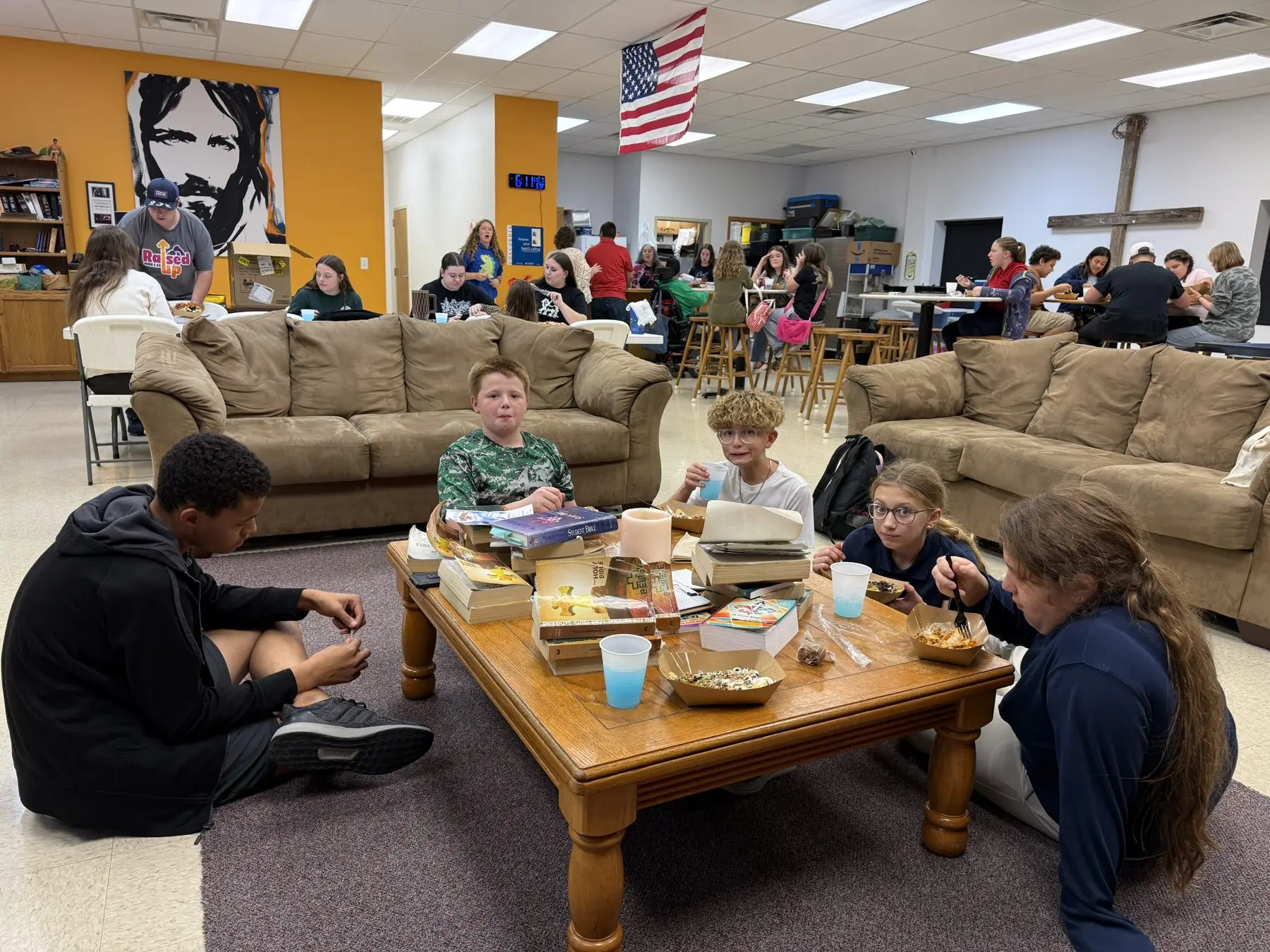
What a Wednesday Looks Like
- 5:00Confirmation classWith Pastor Chris Ramstad in the Fellowship Hall
- 5:45Arrive at the Youth CenterFriends are always welcome
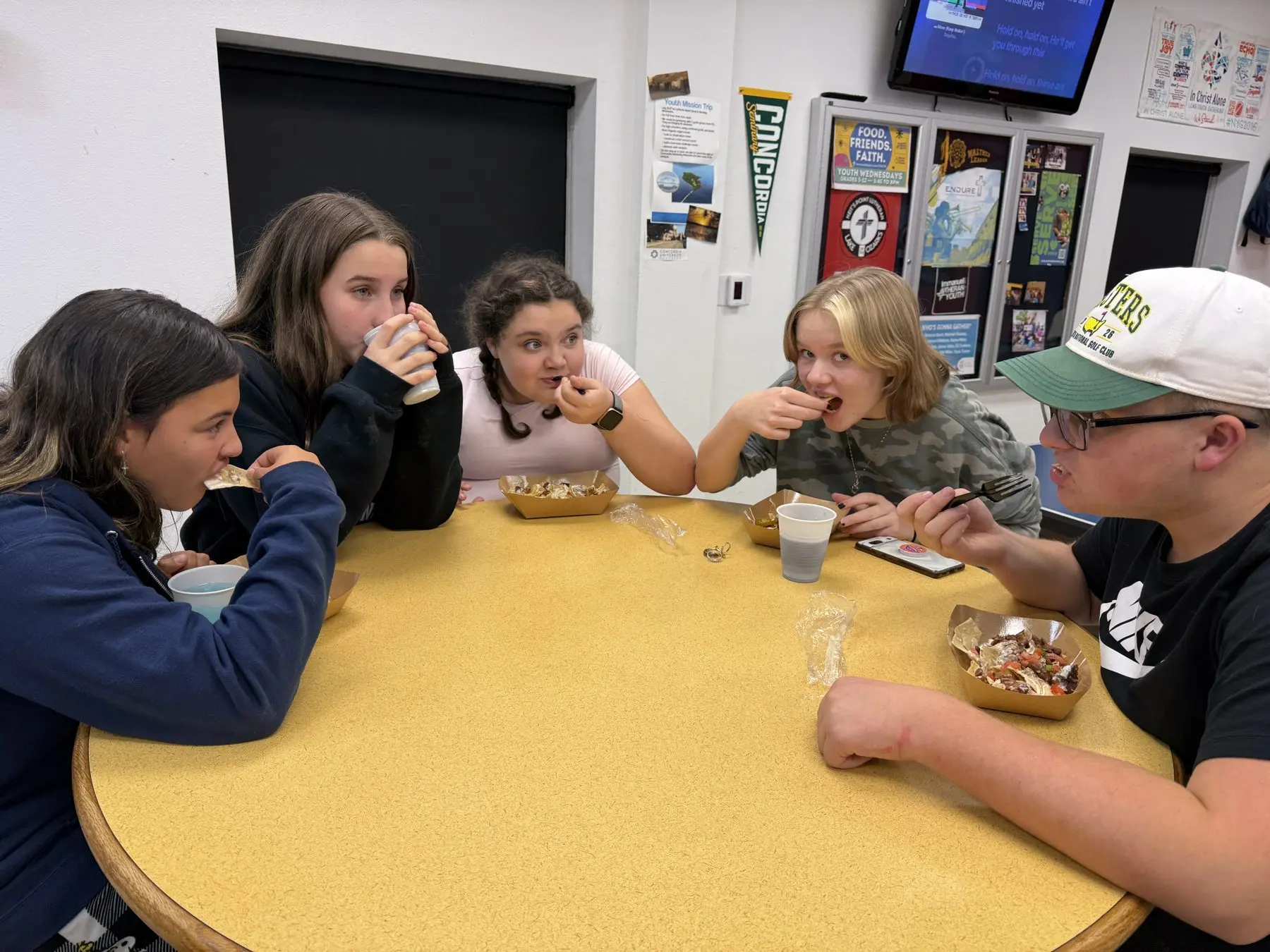
- 6:00Supper togetherCooked by volunteers who sign up to serve
- 6:30Bible study and gamesMiddle school and high school take turns: 45 minutes of Bible study, 45 minutes in the gym or on the field
- 8:00Head homeAsk your student about the lesson on the drive home
Middle school and high school students study the same Bible passage each Wednesday, taught in a way that fits their age, so brothers, sisters and parents can talk about the same story at home. Youth Night takes a break on the Wednesdays in Advent, when the whole church and school gather for supper and worship together. See dates and breaks on the Youth Night page.
Home, Church and School Together
Faith grows best when the home, the church and the school work together, each doing the part God gave it. The Christian home comes first. Most faith is passed on at the dinner table, at bedtime and on the drive to practice, by parents and grandparents who pray with their children and talk about Jesus in everyday life. The church and the school are there to support that work at home, not to take its place.
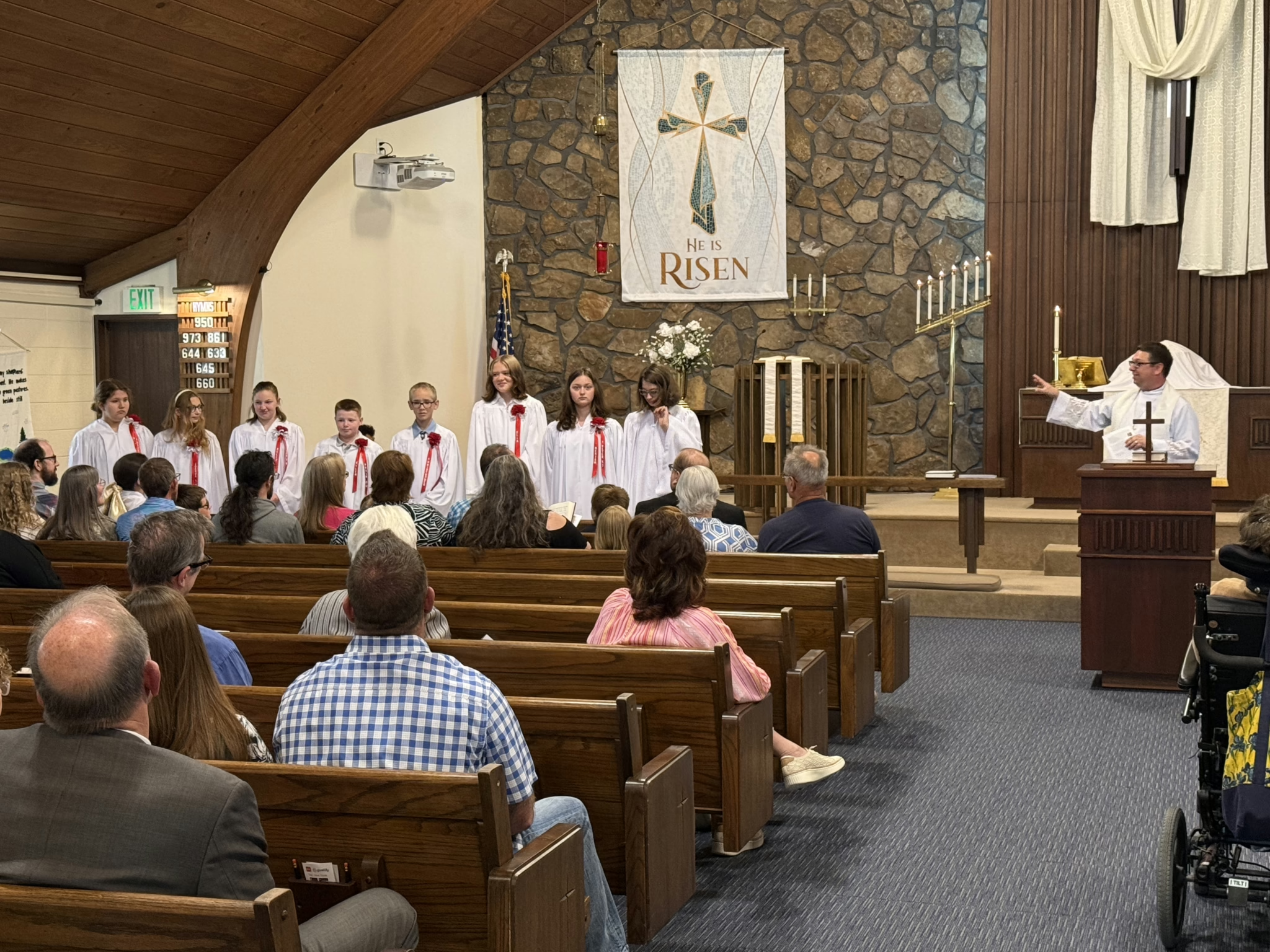
Immanuel Lutheran Church and Martin Luther School share one campus and one ministry, and youth ministry is part of both. Many of our students in grades 5 through 8 hear God’s Word during the school day at Martin Luther School, in religion class and in weekly chapel in the church sanctuary, and then come back on Wednesday night for Youth Night. Pastor Chris Ramstad and DCE Jason Glaskey both teach religion classes at the school and know these students well. Pastor Ramstad also teaches confirmation, and DCE Glaskey leads Youth Night and the Sunday Youth Bible Class. Martin Luther School teachers help lead Youth Night too, so students see familiar faces from the classroom on Wednesday nights.
- Sunday worship and Youth Bible Class
- Confirmation with Pastor Chris Ramstad
- Youth Night on Wednesdays, with school teachers helping lead
- Weekly chapel in the church sanctuary
- Religion classes taught by our pastor and DCE
- Bible memory and the Bible Bee
For families, that means the faith a child learns in the classroom is the same faith taught at church, from the same Bible and the same Small Catechism, by people who already know their child. School families are welcome at everything on this page, whether or not they are members of Immanuel.
Simple Ways to Practice Faith at Home
None of this takes special training. A few small habits, kept up week after week, matter more than any single event.
- Pray together
Use the short morning, evening and mealtime prayers in Luther’s Small Catechism. Daily prayers →
- Talk about faith and life
Ask what they talked about on Wednesday, then listen. Young people who can bring their questions to a parent are more likely to stay with the church as adults.
- Let them see your faith
Children tend to follow the faith they see. Worship together, read the Bible yourself, and let your student see you serve.
- Remember their Baptism
At bedtime, make the sign of the cross on your child’s forehead and remind them that they belong to Jesus.


Dig Deeper
These sections explain the plan in more detail for parents, church members and leaders at other congregations. Tap a section to open it.
The 7 Practices of Healthy Youth MinistryThe soil: seven things that help faith take root and last
LCMS Youth Ministry spent years studying Scripture, listening to congregations and reading research to learn what helps young people keep their faith. The result is seven practices. Our Youth Ministry page lists them in full.
- 1
Know their baptismal faith
Forgiven and claimed by God in Baptism, fed by His Word and Supper.
Here: lessons at church and in religion class at Martin Luther School tie to Luther’s Small Catechism, and confirmation class meets right before Youth Night.
- 2
A faith that holds up
Humbly confident in Christ through hard times, doubts and big changes.
Here: this year’s question is “Who am I, really?”
- 3
Live out their calling
Christ’s hands and feet at home, at school, on the team and at church.
Here: service projects like raking yards for church members and school families.
- 4
Warmth, challenge and grace
A safe place for joys, questions and doubts, with God’s Word spoken in love.
Here: hard questions are welcome on Wednesday nights.
- 5
Supportive adults
At least five caring Christian adults for every student, beyond their parents.
Here: Better Together breakfasts seat church members and school families of every age at the same tables.
- 6
Engaged parents
Parents leading faith at home through everyday habits.
Here: classes for parents and grandparents, and free answers to kids’ hard questions.
- 7
Chances to serve and lead
Real responsibility, with mentors and room to learn.
Here: invited students in grades 7–12 help plan on the Youth Board.
The 40 End GoalsThe fruit: what we pray every graduate knows and believes
The 40 End Goals are short statements from the Bible, written in the first person: “I am,” “I trust,” “I can.” The point is not to memorize facts about God. It is for a student to say, “This is true, and it is true for me.” They fall into five themes.
Identity
Who I am in Christ.
In Christ, I am a new creation.
Community
Why I need the church.
Christian communities, especially families, are places I can receive and practice forgiveness.
Humble Confidence
Standing firm when faith gets hard.
Jesus Christ is THE ‘way, truth, and life’ for life now and the life to come.
Vocation
Serving God in everyday roles.
God places me in multiple roles (vocations) in life where I share God’s goodness and love.
Service & Mission
Sharing Christ’s love near and far.
I trust the Holy Spirit to give me words to share my faith.
Read all forty in the free At-Home Discussion Guide on youthESource, written for families to use at the dinner table. More LCMS youth resources are at lcms.org/youth.
Our Three-Year Teaching PlanHow forty goals fit into Wednesday nights
Forty goals are too many for one year, so we teach them over three years. A student who comes from fifth grade through senior year goes around the whole cycle more than twice. Each lesson has one goal, one Bible passage and one link to Luther’s Small Catechism, the short summary of the Christian faith used in confirmation.
- This yearYear A
Identity & the Gospel
Who am I, really? Created, fallen, rescued by Jesus, baptized and made new.
- Year B
Church & Calling
Why I need the church, and where God has placed me to serve.
- Year C
Confidence & Mission
Hard questions, honest doubt, bold prayer and sharing my faith.
Home, Church and School: How the Partnership WorksThe thinking behind our approach, for parents and for leaders at other congregations
The 7 Practices are not a program. LCMS Youth Ministry is clear that there is no curriculum or calendar to copy. The focus is on relationships: God’s relationship with us, parents with their children, the congregation with its young people, and young people with caring adults. When those relationships are healthy, the right programs follow.
It also does not depend on any one leader. God is the one at work, through His Word and Sacraments, giving forgiveness and new life. We will fall short, and the Holy Spirit will not. That frees parents, teachers and volunteers to be faithful in the part God has given each of them.
Our family ministry also draws on Concordia Center for the Family, a Recognized Service Organization of the LCMS whose mission is “uniting homes and congregations in making lifelong disciples of Jesus.” Home and congregation are partners, each with its own God-given role. At Immanuel, Martin Luther School is part of that partnership too.
Through the year, that shapes three kinds of gatherings: Better Together breakfasts where every age eats at the same tables, evenings that equip parents and grandparents, like our class on answering kids’ hard questions, and family service days, like raking yards for church members and school families.
For leaders at other congregations: youthESource has free articles, videos and discussion guides on each practice, including Healthy Congregations Have Engaged Parents. Concordia Center for the Family trains Family Discipleship Facilitators, and the Missouri District helps congregations take part.
Where Else Students Hear God’s WordSunday mornings, school days and at home

Sunday Youth Bible Class
Grades 5–12 at 9:15 in the Youth Center, reading through Exodus this year.
Sunday classes →Confirmation
Pastor Chris Ramstad teaches the basics of the faith from Luther’s Small Catechism.
Confirmation →
Help for Parents
Free, plain answers to the big questions kids ask at bedtime and in the car.
Hard questions →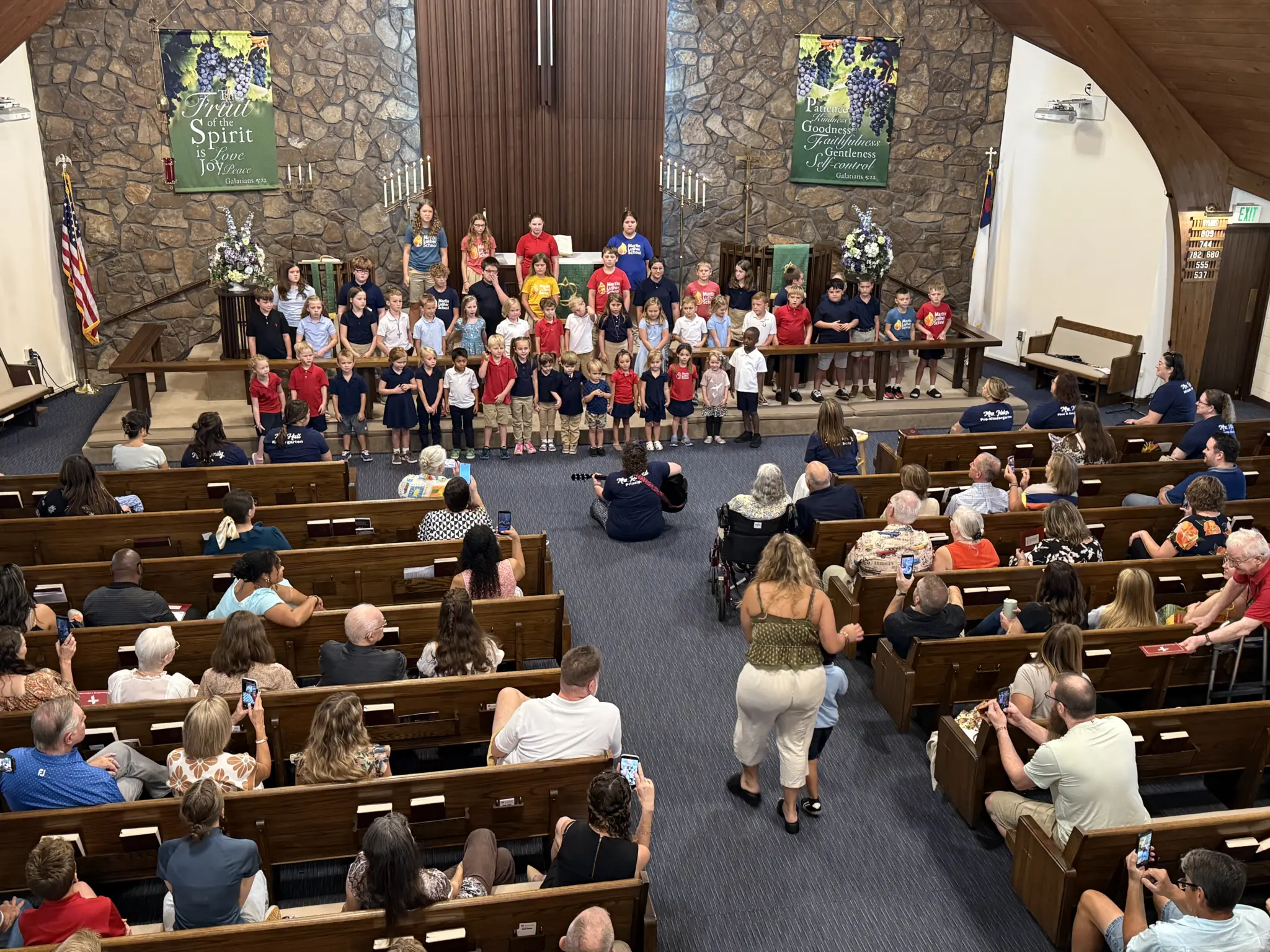
Better Together
Sunday breakfasts in the school gym where church members and school families of every age eat together.
Calendar →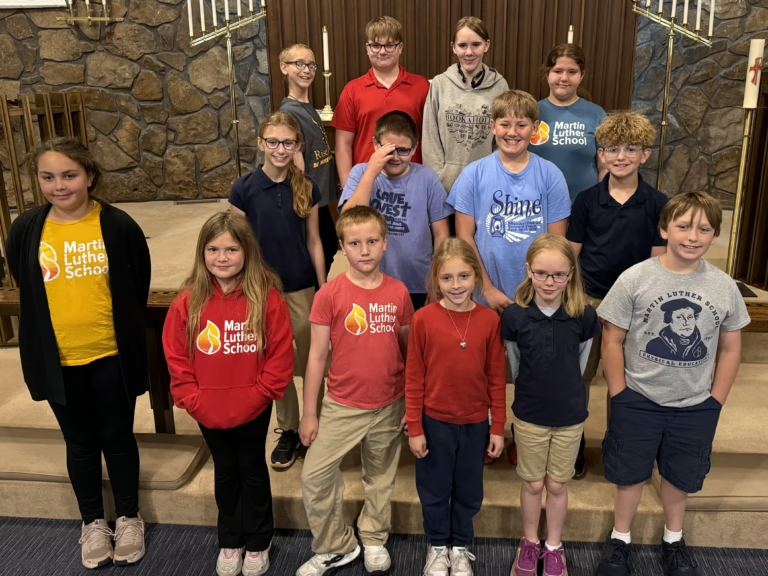
Martin Luther School
Religion class and weekly chapel in the church sanctuary, for students from age 3 through eighth grade.
Martin Luther School →
How You Can Help
- Students
Come on Wednesday and bring a friend. Bring your hardest questions too. We would rather talk them through with you than have you wonder about them alone.
- Parents
You are your child’s first teacher, and our church and school are here to help you. On the drive home, ask your student what they talked about that night.
- Church members
Learn a student’s name and pray for them by name. You can also cook a Wednesday supper. Simple things like these can make you one of the adults a student remembers.
- Other congregations
If you lead youth ministry at another congregation and want to see how we put this plan into practice, we are glad to share what we have learned. Contact Jason Glaskey.
Frequently Asked Questions
Who can come to Youth Night at Immanuel?
Any student in grades 5 through 12. You do not need to be a member of Immanuel or a student at Martin Luther School. Friends are always welcome. Youth Night meets Wednesdays from 5:45 to 8:00 pm at the Youth Center during the school year.
What are the 7 Practices of Healthy Youth Ministry?
They are seven things LCMS Youth Ministry found help young people keep their faith: understanding their Baptism, a faith that holds up, living out their calling, warmth and grace, supportive adults, engaged parents, and chances to serve and lead.
What are the 40 End Goals?
They are forty truths from the Bible that we pray every student knows and believes by the time they finish high school. They are grouped in five themes: Identity, Community, Humble Confidence, Vocation, and Service and Mission.
How do home, church and school work together in youth ministry?
Parents, or the grandparent or guardian raising a child, teach the faith day to day at home, and Immanuel and Martin Luther School come alongside them. The church and school share one campus, one faith and many of the same people. Students in grades 5 through 8 at Martin Luther School have religion class and weekly chapel during the school day, and many of them also come to Youth Night and Sunday Youth Bible Class. Pastor Chris Ramstad and DCE Jason Glaskey teach in both places, and Martin Luther School teachers help lead Youth Night, so lessons at school and at church build on each other.
Can other congregations use the 7 Practices and 40 End Goals?
Yes. Both come from LCMS Youth Ministry and are meant for any congregation, large or small. You can find resources at lcms.org/youth and in the Dig Deeper sections above. If you would like to talk about how we use them at Immanuel, contact Jason Glaskey.
Are the adults who work with youth background-checked?
Yes. Every adult who works with our youth is background-checked before serving.
How do I learn more or get involved?
Contact Jason Glaskey, Director of Christian Education (DCE) for Immanuel and Martin Luther School, at jglaskey@immanueljoplin.com, or call the church office at (417) 624-0333. One of the easiest ways to get to know our students is to sign up to cook a Wednesday supper. You can also visit our Youth Ministry page or learn what we believe.