

Every year the calendar names it “Good Friday,” and every year someone reasonably asks: what’s good about it? It’s the day Jesus was betrayed, arrested, beaten, and crucified. By any ordinary measure, it looks like the worst Friday in history.
And yet the Church has called it Good Friday for centuries. Here’s why.
What Happened on Good Friday?
Good Friday is the day we remember the crucifixion of Jesus Christ. After being betrayed by Judas and arrested in the Garden of Gethsemane, Jesus was tried before Pontius Pilate, sentenced to death, and crucified outside Jerusalem on a hill called Golgotha — “the place of the skull.”
Scripture records that Jesus hung on the cross from approximately noon until 3:00 pm. At the moment of His death, the curtain of the Temple tore in two from top to bottom — a sign that the barrier between God and humanity had been removed. He was buried in a borrowed tomb before sundown.

“Surely he has borne our griefs and carried our sorrows… he was pierced for our transgressions; he was crushed for our iniquities; upon him was the chastisement that brought us peace, and with his wounds we are healed. All we like sheep have gone astray; we have turned — every one — to his own way; and the LORD has laid on him the iniquity of us all.”
Isaiah 53:4–6 (ESV)
Why Is It Called “Good”?
The name likely comes from an older usage of “good” meaning “holy” or “God’s” — in some languages it’s still called “Holy Friday.” But there’s also a deeper theological truth in the name: what looked like a catastrophic defeat was actually the greatest act of redemption in history.
The Apostle Paul puts it plainly: “For our sake he made him to be sin who knew no sin, so that in him we might become the righteousness of God.” (2 Corinthians 5:21, ESV)
On the cross, Jesus took the full weight of human sin — yours, mine, everyone’s — and absorbed the judgment it deserved. He died the death we deserved so that we could receive the life He earned. That exchange is the heart of the Christian faith, and it happened on a Friday.
“But God shows his love for us in that while we were still sinners, Christ died for us.” (Romans 5:8, ESV)
“He himself bore our sins in his body on the tree, that we might die to sin and live to righteousness. By his wounds you have been healed.” (1 Peter 2:24, ESV)
What Lutherans Believe About Good Friday
In the Lutheran tradition, Good Friday holds a central place precisely because of what Scripture teaches about the cross. Jesus’ death was not a tragic accident or a martyrdom. It was a substitutionary sacrifice — Jesus standing in our place, bearing our guilt, satisfying the justice of God on our behalf.
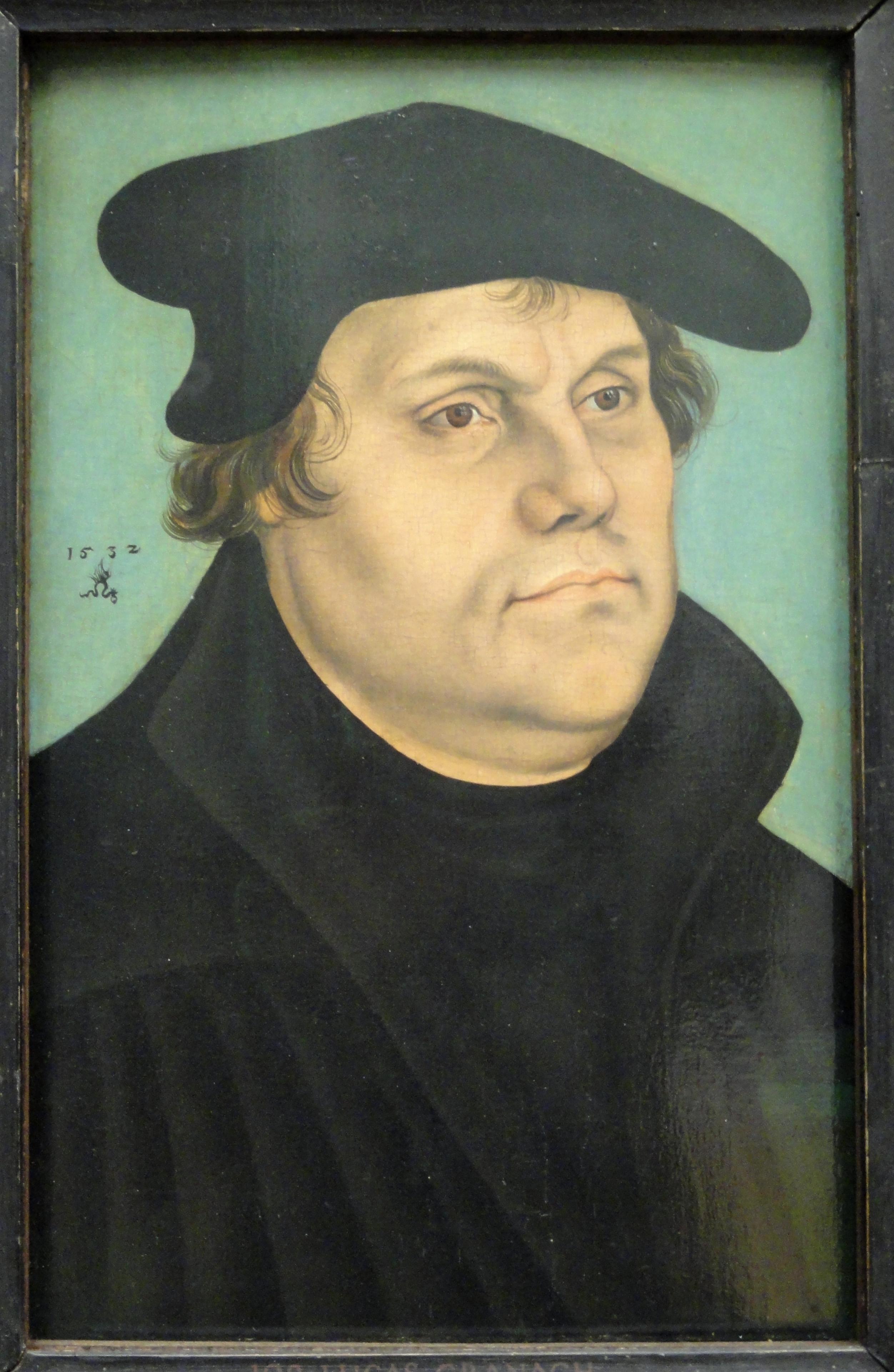
“I believe that Jesus Christ, true God, begotten of the Father from eternity, and also true man, born of the Virgin Mary, is my Lord, who has redeemed me, a lost and condemned creature, purchased and won me from all sins, from death, and from the power of the devil; not with gold or silver, but with His holy, precious blood and with His innocent suffering and death.”
— Martin Luther, Small Catechism, Explanation of the Second Article
The cross is not something to look away from or move past quickly on the way to Easter. It is the foundation. Easter is joyful because Good Friday was real. The resurrection means something because the death meant something. In his Heidelberg Disputation (1518), Luther declared: “True theology and recognition of God are in the crucified Christ.”
How We Observe Good Friday at Immanuel
Good Friday is one of the most solemn and meaningful days of our church year. We observe it two ways:
Prayer Vigil — Friday, April 3, 9:00 am – 3:00 pm. The church is open during the hours Jesus hung on the cross for quiet, individual prayer and reflection. Come and go as your schedule allows. There’s no program or schedule — just an open sanctuary, a cross, and space to be still before God.
Evening Worship Service — Friday, April 3, 6:30 pm. Our Good Friday service is one of the most moving of the year. It includes special music, readings from the Passion narrative, and a meditation on Christ’s death and what it means for us. The service ends in silence and darkness — a profound reminder that Easter hasn’t come yet.
You Are Welcome Here
Whether you’ve attended Good Friday services your whole life or have never been, you are welcome at Immanuel. You don’t need to have it together. You don’t need to know all the words. You just need to come.
The cross is for everyone. That’s what makes it good.